Located on ground floor in Building B, a well-equipped and well-organized laboratory
is essential to teach :
Hydraulics experiments : The laboratory is equipped to perform a full range of
experiments and testing such as, Hydrostatic Pressure on Submerged Bodies, Orifice Flow Meter,
Venturi Meter, Energy Losses in Bends, Impact of Jet, Series / Parallel Pump, Orifice & Free Jet
Flow, and experiments related to Open channel.
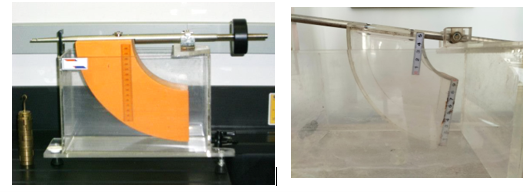
Hydrostatic Pressure on Submerged Bodies
Experiment is used to determine the hydrostatics thrust acting on a plane immersed in water, and
the position of the line of action of the thrust. Experiment is used also to compare the position
determined by experiment with the theoretical position.
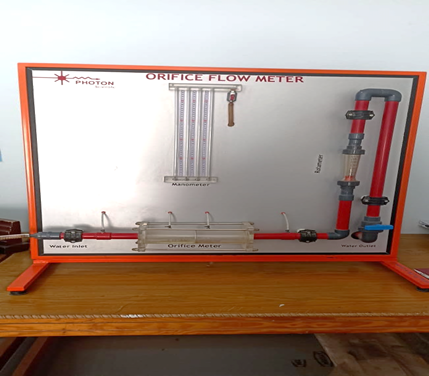
Orifice Flow Meter
The objectives of the experiment are :
1. To show the measurement of flow rate.
2. To show the application of Bernoulli equation in flow rate measurement.
3. To show effect of minor losses and its modification in flow rate measurement.
4. To demonstrate piezometer as a method to measure pressure.
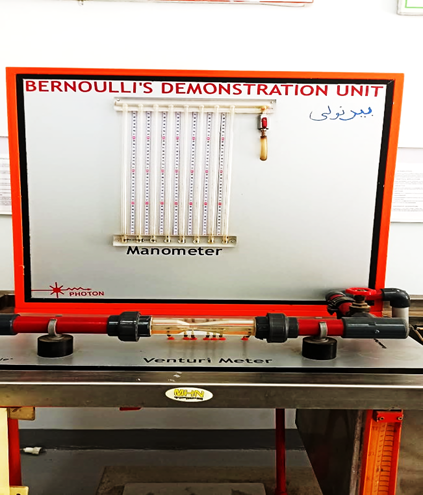
Venturi Meter
The objectives of the experiment are :
1. To investigate the validity of the Bernoulli equation, when applied to the steady flow of
water in a tapered duct.
2. To show the measurement of flow rate.
3. To demonstrate piezometer as a method to measure pressure.
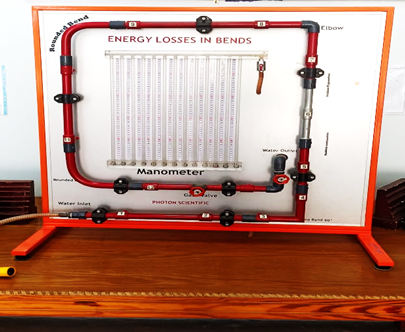
Energy Losses in Bends
The objectives of the experiment are :
1. To show effect of minor losses and its modification in flow rate measurement.
2. to find out the energy loss due to the friction or due to bends. Also, the effect of
valves will be considered at the same time.
3. To demonstrate manometer as a method to measure pressure difference.
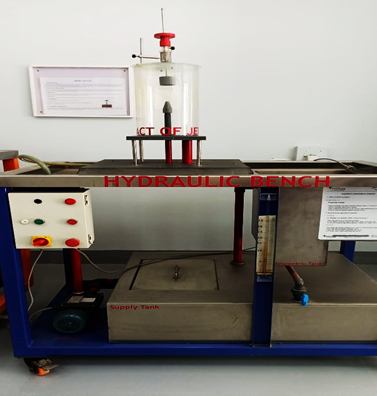
Impact of Jet
The objective of the experiment is to compare the momentum in fluid jet with force generated when it
strikes a flat plate, a 120° plate, a conical object, and a hemispherical cup.
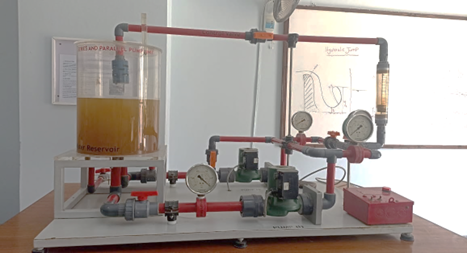
Series / Parallel Pump Unit
The objective of the experiment is to study the connection of pumps on series and on
parallel.
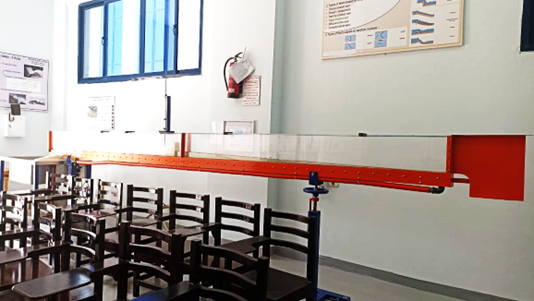
Open channel
Perform Experiments related to open channel flow such as hydraulic jump, surge waves, and open channel
Transitions.
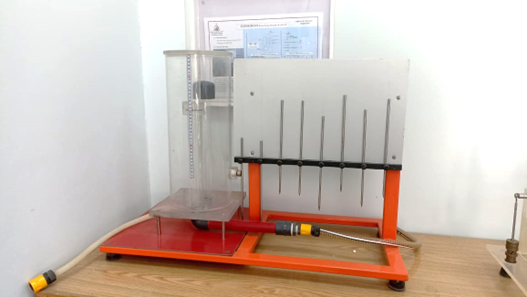
Orifice and Free Jet Flow
The objective of this lab experiment is to determine the coefficients of velocity and discharge of
two small orifices in the lab and compare them with values in textbooks and other reliable sources.
Soil Mechanics Laboratory
Located on ground floor in Building B, a well-equipped and
well-organized laboratory is essential to teach :
Soil Mechanics experiments : The laboratory is equipped to perform a full range
of experiments and testing such as, The Casagrande test, The hydrometer test, The Standard
Proctor Test & Modified Proctor Test, The Sand Cone Test, The falling head test,
The constant head test, The direct shear test, The oedometer test, The unconfined compression
test, The CBR (California Bearing Ratio) test, and Sieve analysis.
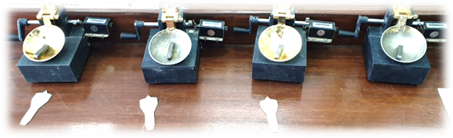
The Casagrande test, also known as the liquid limit test, is a common soil laboratory test used
to determine the water content at which a soil changes from a plastic state to a liquid state.
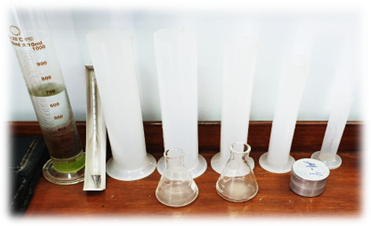
The hydrometer test is a laboratory method used to determine the distribution of particle sizes
in fine soil sample.
Instrument Name
Model and Company
Quantity
Stander proctor test
4”
3
Modified proctor test
6”
3
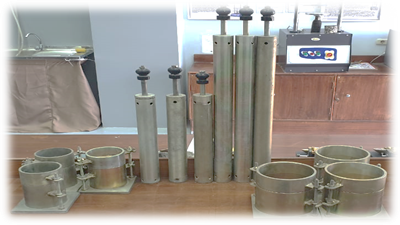
The Standard Proctor Test and Modified Proctor Test are laboratory methods used to determine
the maximum dry density and optimal moisture content of soil for compaction.
Instrument Name
Model and Company
Quantity
sand cone test
6”
2
4”
2
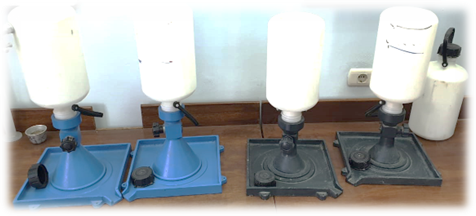
The Sand Cone Test, also known as the Sand Replacement Test, is a laboratory test used to
determine the density of compacted soil.
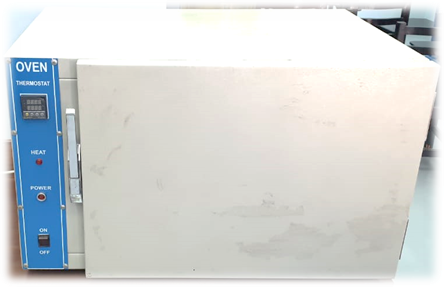
Oven
In soil mechanics lab, an oven is a commonly used tool for determining the moisture content of a
soil sample.
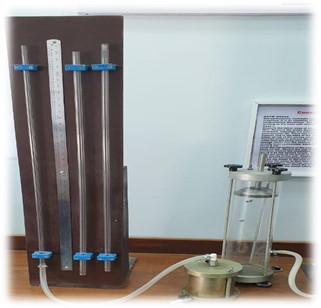
The falling head test is a common laboratory test used in soil mechanics to determine the
permeability of soils.
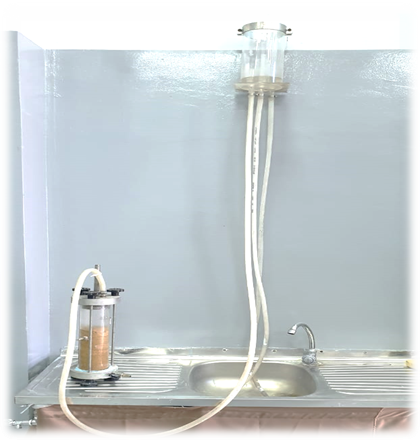
The constant head test is a widely used for determining the permeability of granular soils.
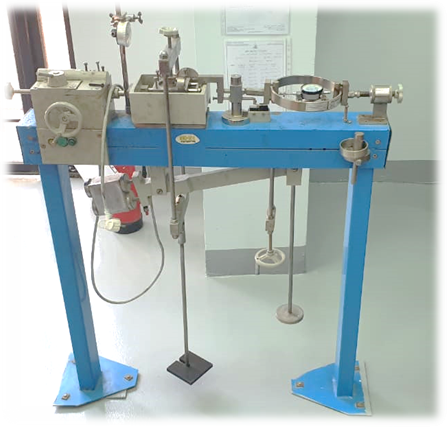
The direct shear test is a laboratory experiment conducted to determine the shear strength
parameters of soil, including the angle of internal friction and the cohesion.
Instrument Name
Model and Company
Quantity
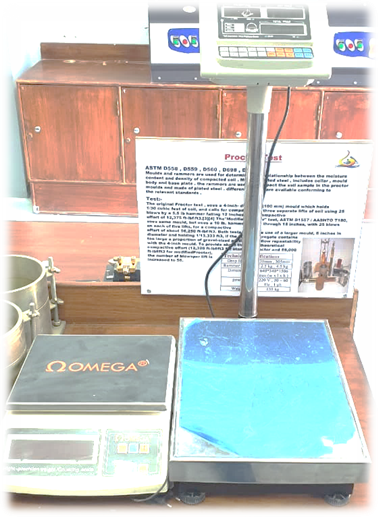
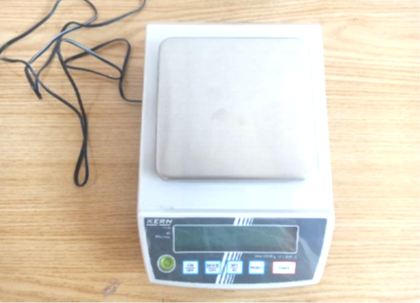
Digital weight Device
30 kg - Omega
1
150 kg
1
In soil mechanics laboratory testing, a digital weight, also known as an electronic balance, is an
essential piece of equipment used for accurately measuring the mass of soil samples.
Instrument Name
Model and Company
Quantity
Model and Company
--
1
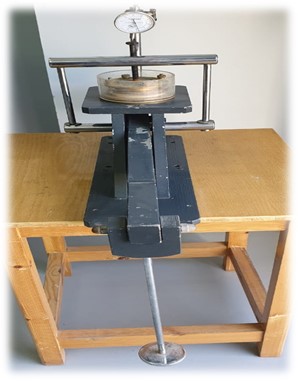
The oedometer test, also known as the consolidation test, is a standard laboratory test in soil
mechanics used to determine the rate and magnitude of soil settlement under different applied loads.
Instrument Name
Model and Company
Quantity
Unconfined compression test
MHN
1
The unconfined compression test is a common laboratory test used to determine the strength
characteristics of a soil sample.
Instrument Name
Model and Company
Quantity
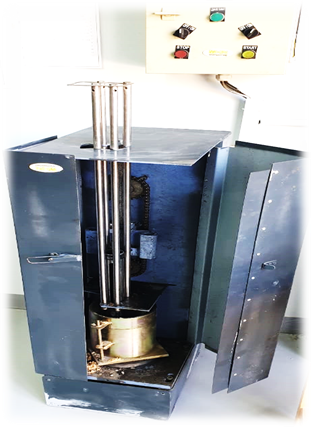
Automatic Compactor
MHN
1
An Automatic Compactor is laboratory equipment commonly used in soil mechanics to compact soil
specimens to a standard Proctor or Modified Proctor density.
Instrument Name
Model and Company
Quantity
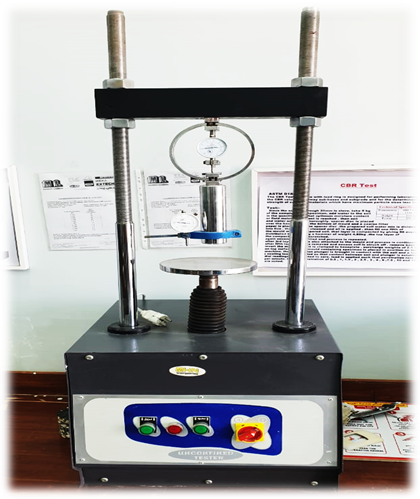
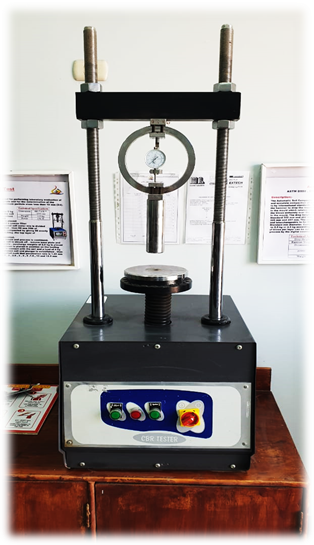
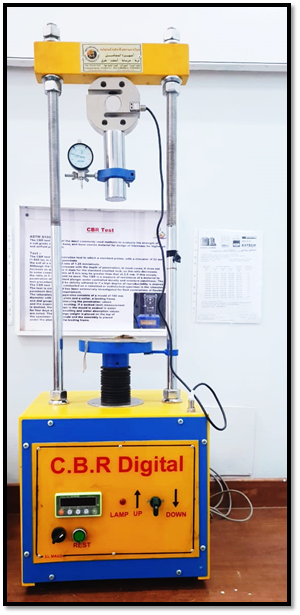
CBR test
MHN
1
The CBR (California Bearing Ratio) test is a widely used method in soil mechanics laboratories to
determine the strength of subgrade and base course materials.
Instrument Name
Model and Company
Quantity
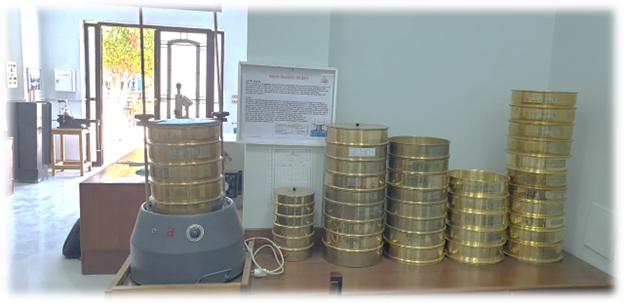
Mechanical vibrator for sieves
--
1
Sieves
12”
16
8”
16
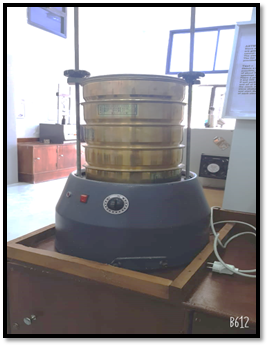
Sieve analysis is a common technique used in soil mechanics laboratories to determine the particle
size distribution of soil samples.
Highway Engineering Laboratory
Located on ground floor in Building B, a well-equipped and
well-organized laboratory is essential to teach :
Highway Engineering experiments : the laboratory is equipped to perform a full
range of experiments and testing such as: Los Anglos test, CBR test, Penetrometer test,
and Sieve analysis test.
Instrument Name
Model and Company
Quantity
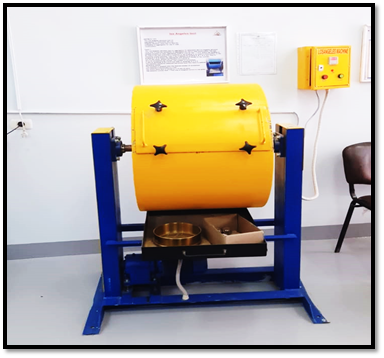
Los Anglos
Sama Masr
1
Main Purpose
Used to Test the hardness of aggregates
Instrument Name
Model and Company
Quantity
Digital weight Device
Sama Masr
1
Main Purpose
Used to Weigh the samples
Instrument Name
Model and Company
Quantity
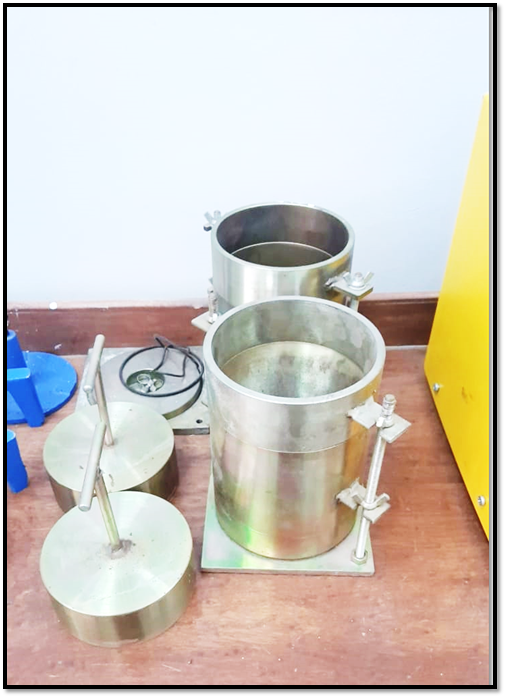
Molds
Sama Masr
2
Main Purpose
Used to Prepare the samples for test
Instrument Name
Model and Company
Quantity
CBR
Sama Masr
1
Main Purpose
Measurement of soil resistance penetration
Instrument Name
Model and Company
Quantity
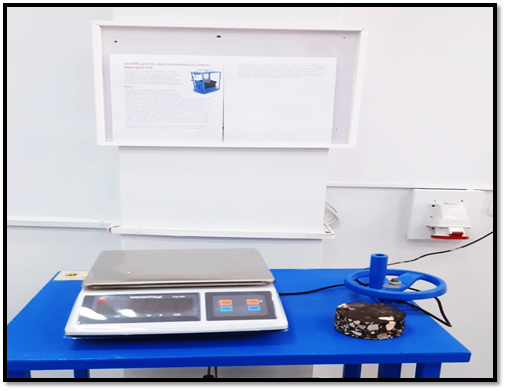
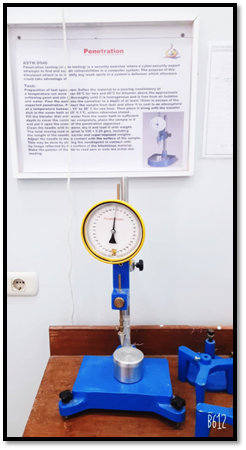
Penetrometer
Sama Masr
1
Main Purpose
Used to Measure the penetration resistance of asphalt sample
Instrument Name
Model and Company
Quantity
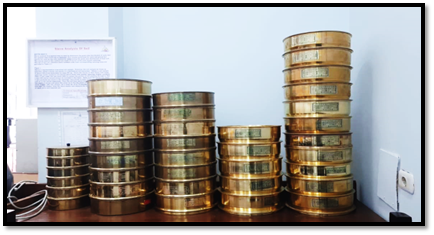
Sieves
Sama Masr
38
Main Purpose
Used to perform Sieve analysis test
Instrument Name
Model and Company
Quantity
Sieve analysis test
Sama Masr
1
Main Purpose
Used to Determine the gradation of aggregates particles
● Behavior of Materials and Concrete Technology Laboratory : Located on the ground
floor in Building B, a well-equipped and well-organized laboratory is essential to teach :
1- Strength and properties of materials: The laboratory is equipped to perform a full range of
experiments and testing such as,
• Tensile, cold bending and shear testing on reinforcing steel.
• Determination of softness of cement using the Plein Apparatus.
• A test to determine the proportion of water needed for cement paste of standard consistency.
• Test to determine the initial and final setting time of the cement paste using the Vicat apparatus.
• Determination of the volume stability (expansion) of cement by Le Chatelier method.
• Test for compressive and flexural strength of cement mortar.
• Sieve analysis test for aggregates.
• The semen absorption test.
• Test for determining the apparent specific gravity of aggregates.
• Test determination of volumetric weight and void percentage.
• Test determination of the proportion of clay and soft materials by weight and volume.
• Test determination of the crushing modulus of large aggregates.
• Wear and abrasion resistance (Los Angeles)
2- Concrete Technology: The laboratory is equipped to perform a full range of experiments and
testing such as, Concrete slump test, VB time determination test, Test to determine the coefficient
of compaction of concrete, Concrete density test, Concrete compressive strength test, Tensile
strength test, Bending/flexural test for concrete beams, Testing of concrete surface hardness
using rebound hammer, Concrete core test, Testing the homogeneity of concrete using the speed of
ultrasonic pulses.
3- Behavior of Material Project: All tests can be used.
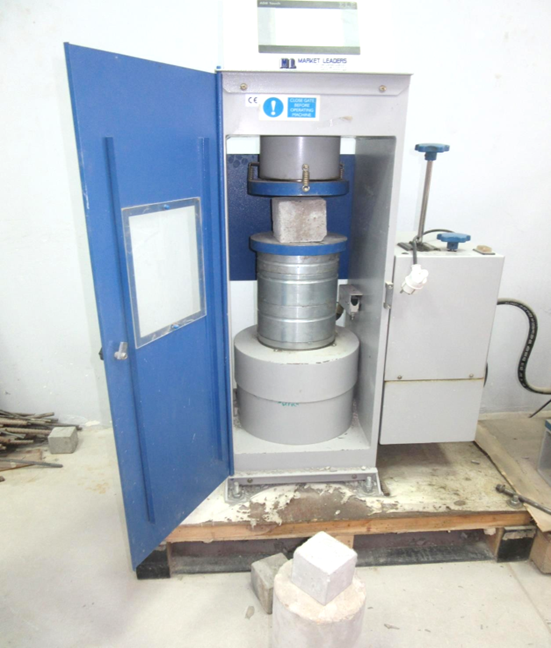
Compression testing machine for both concrete and cement mortar cubes, and electrically powered,
(ELE) brand of English-made at the highest level of accuracy.
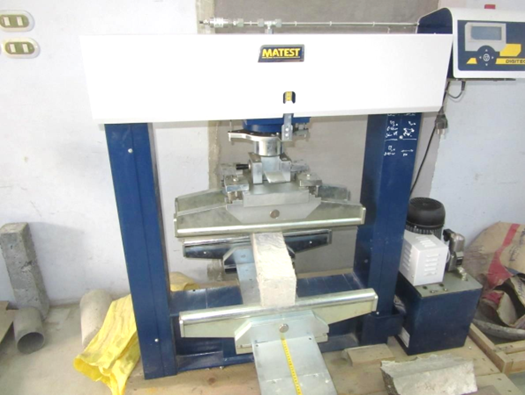
Compression Testing Machine (Matest) brand Italian-made and electrically powered with the highest level of
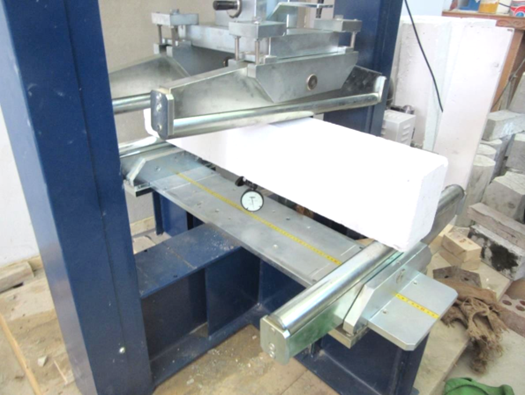
accuracy for testing of concrete cubes, and equipped for the flexure/bending test of concrete beams.
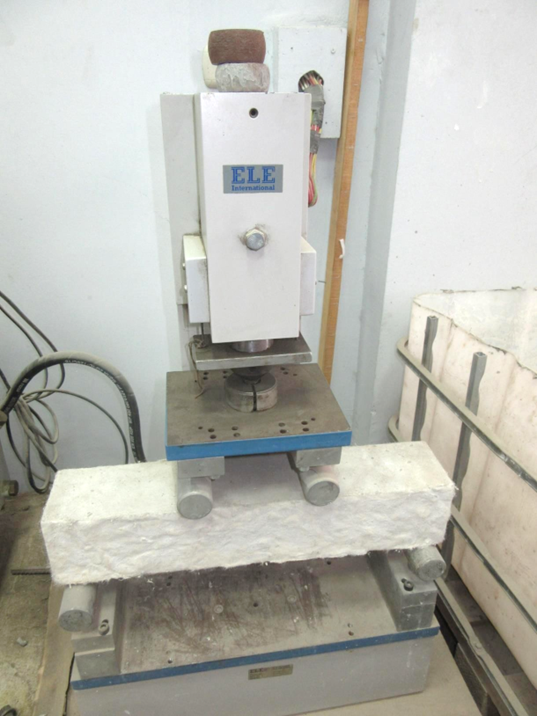
Flexural test machine for concrete beams with the highest level of accuracy, ELE-brand & English-made
electrically operated.
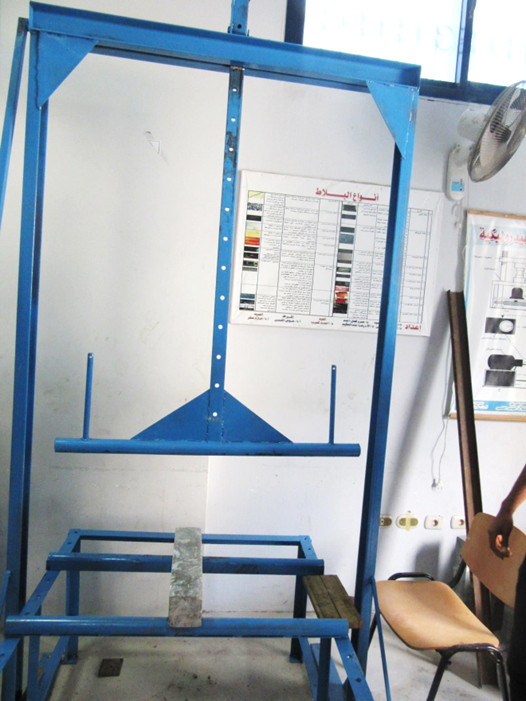
Homemade impact test device for concrete members
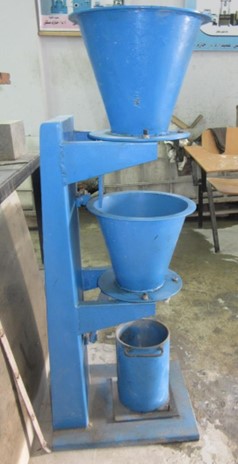
Homemade compaction factor test device for concrete
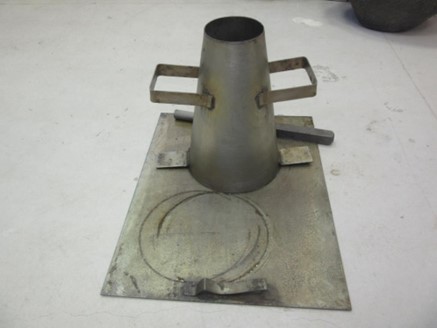
Concrete slump cone
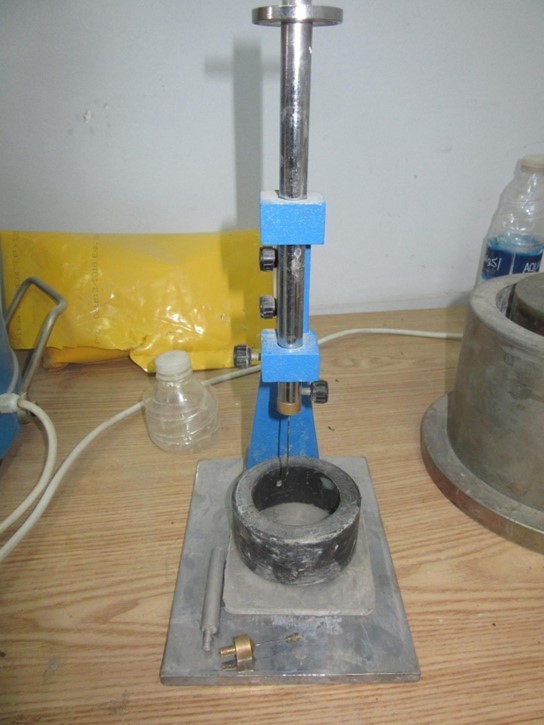
Vicat device to measure the initial and final setting times of the cement
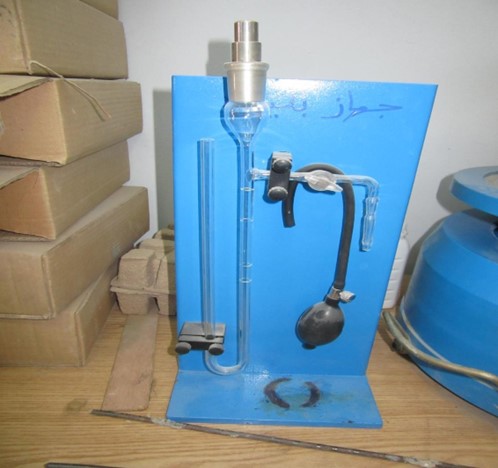
Blaine device for determining the fineness of cement
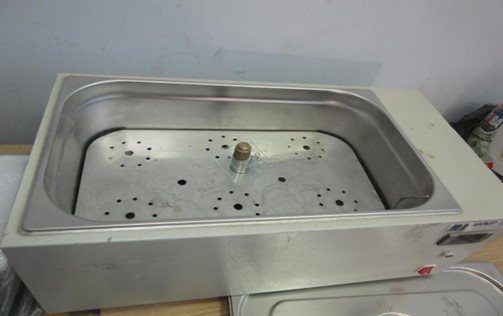
Water bath, (ELE-brand) for Lucatelle test to determine the (volume stability/expansion) the cement soundness
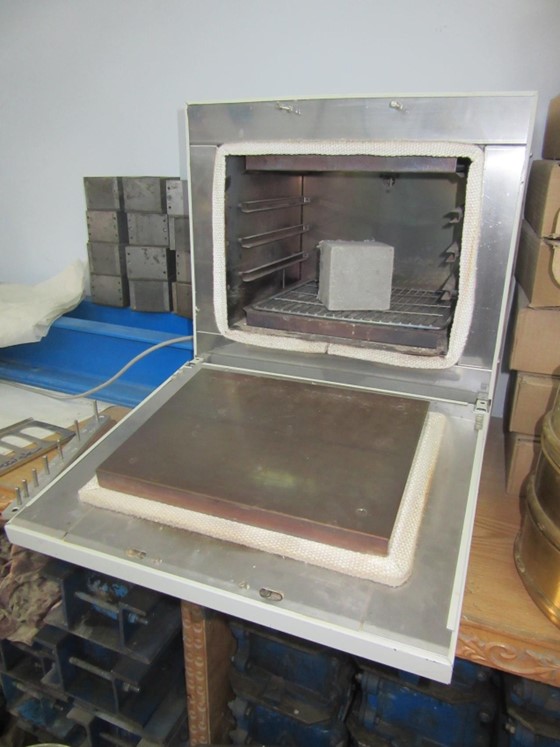
Electric furnace for heating up to 500 ° C to test concrete with high temperature resistance
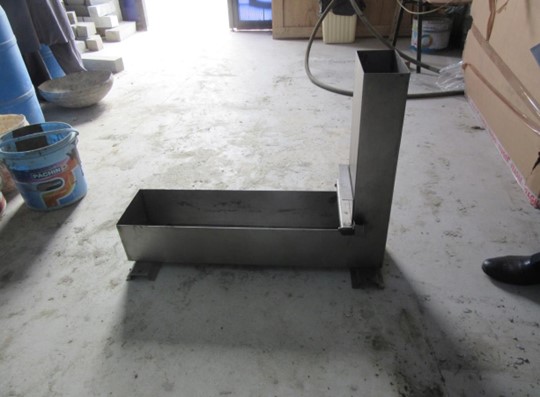
L-Box Test for Self-Compacting Concrete Test
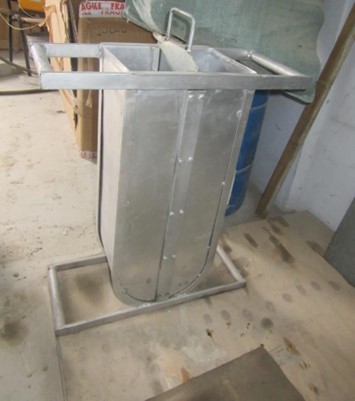
U-Box Test for Self-Compacting Concrete Test
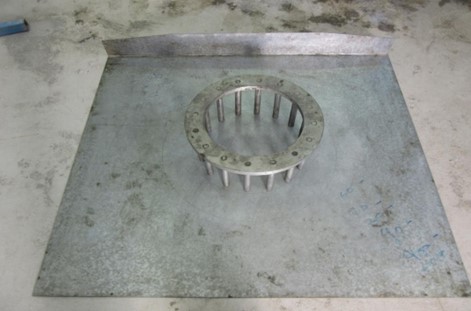
J-Ring Test for Self-Compacting Concrete
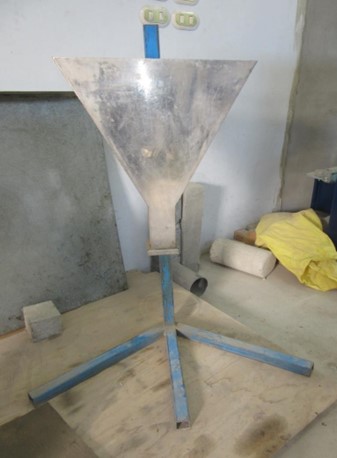
V-Funnel Test for testing self-compaction concrete
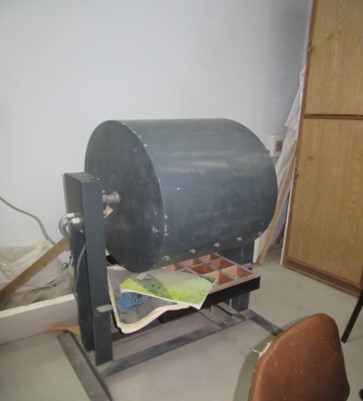
Los Angeles device for determination the abrasion resistance of large aggregates
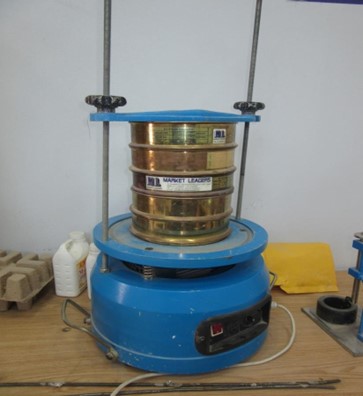
Sieve analysis test for aggregate
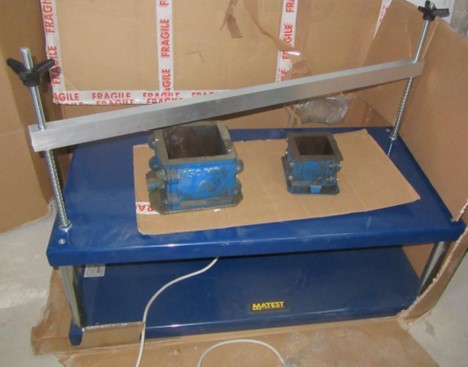
Vibrator of concrete formwork bearing 300 kg and works with electricity
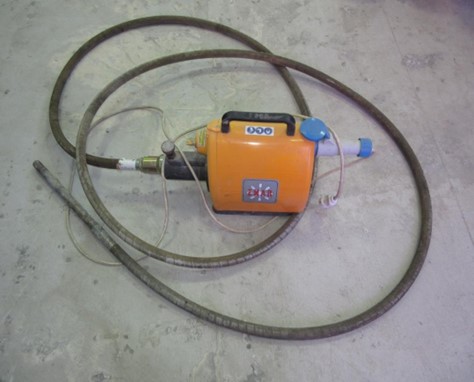
Clamp concrete vibrator of 1 inch diameter and electrically-operated
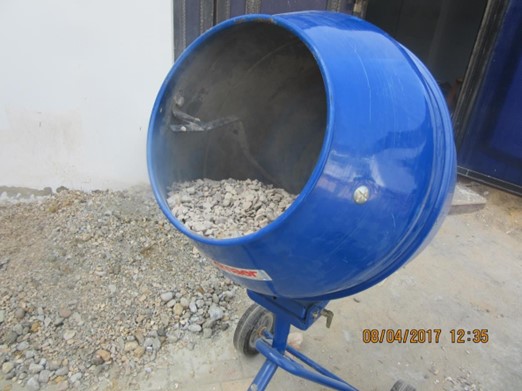
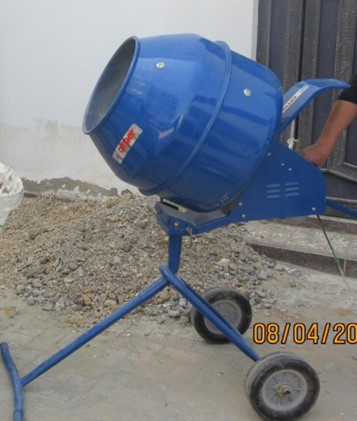
A 40-liter electrically controlled mobile concrete mixer
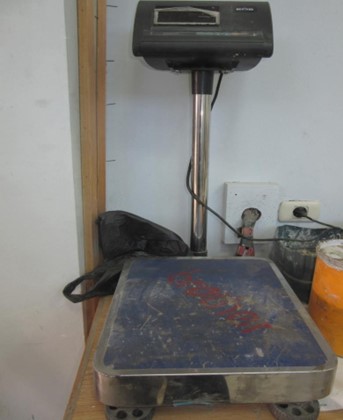
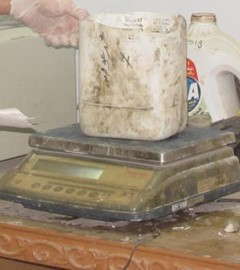
Digital drum scale balance works with electricity to weigh aggregates and cement
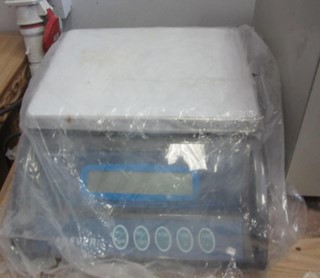
A digital table scale balance works with electricity to weigh admixtures and water
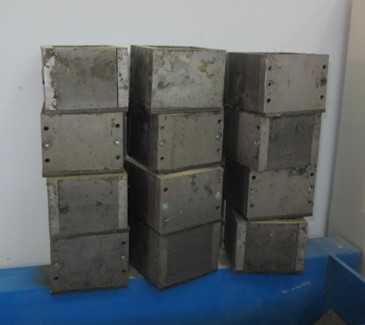
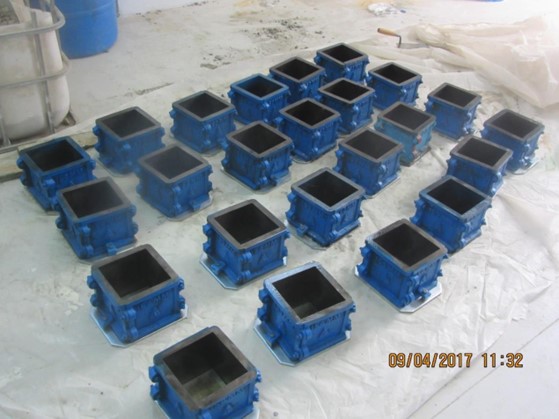
12 iron cubes measuring 7 x 7 x 7 cm for pouring cement and sand mortar cubes for compression test
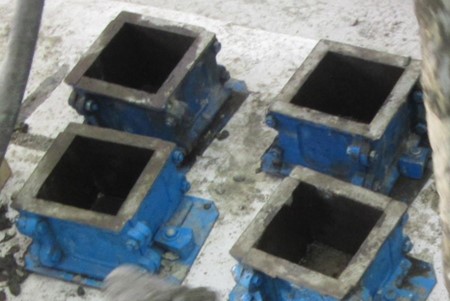
38 Iron cubes size 10 x 10 x 10 cm for pouring concrete cubes for compression test
Iron cubes of dimensions 15 x 15 x 15 cm (36 cubes) for pouring concrete cubes for compression test
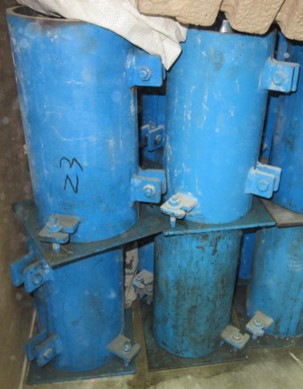
Iron cylinders of size 15 × 30 cm (12 cylinders) for pouring concrete cylinders for compression and Brazilian tensile test
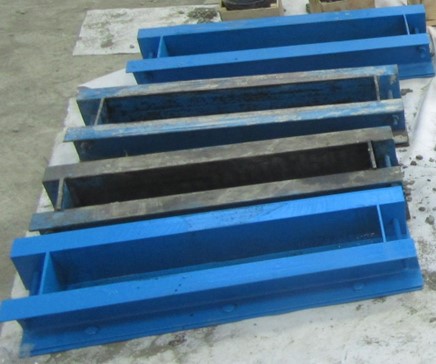
Iron beams size 50 x 10 x 10 cm (12 beams) for pouring concrete beams, for a bending tensile test of concrete
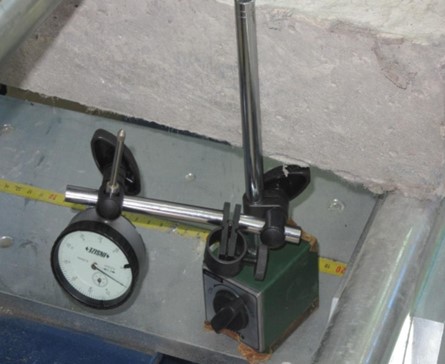
6 dial gauges with different precision meters for measuring the concrete displacement
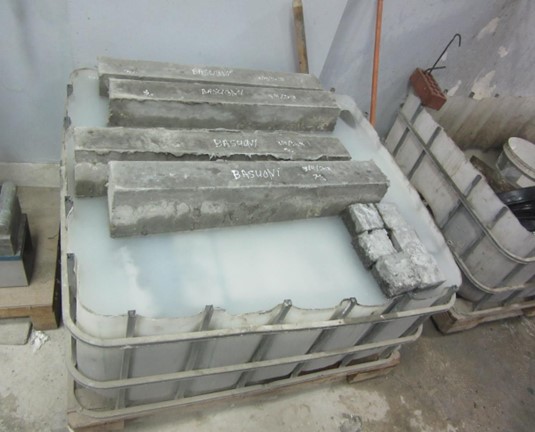
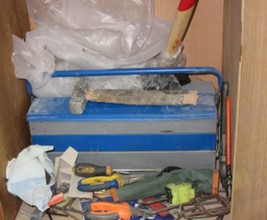
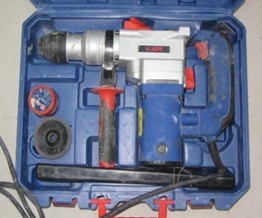
Curing tanks for concrete specimens Sample of different hand tools Electric drill
Sanitary Engineering Laboratory
Located on ground floor in Building B, consist of :
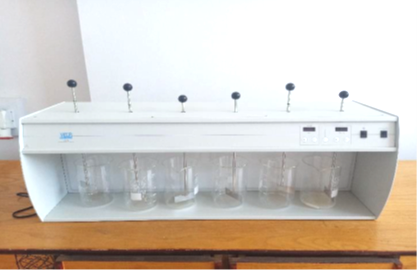
1. Flocculation Test Unit.
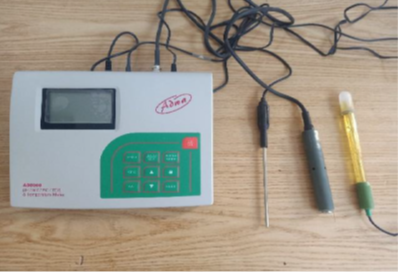
2. microprocessor-based pH, ORP (Oxidation reduction Potential),
conductivity, TDS, and temperature bench meter.
3. Stainless Steel Water Distiller.
4. Centrifuge device.
5. Oven (Temperature range 60 °C (140 °F) to 230 °C (446 °F))
6. Electronic Weight Device.
Jar tester (Flocculation Test Unit)
The JLT6 flocculator is designed both for optimizing the dosing of coagulants for separating
pollutants in wastewater treatment plants thanks to the laboratory results obtained using the
so-called Jar Test, and for running toxic substance leaching tests on solid wastes to be sent to
the dump.
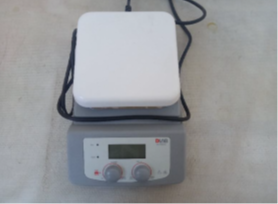
microprocessor-based pH, ORP (Oxidation reduction Potential), conductivity, TDS and
temperature bench meter
Professional bench meter used for PH, ORP (Oxidation reduction Potential) and temperature
measurement.
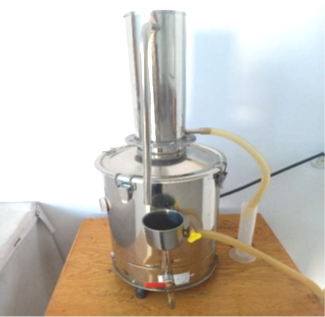
Stainless Steel Water Distiller
WATER DISTILLER, Produce 4 l/hour.
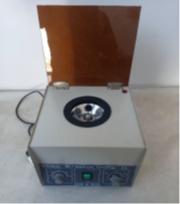
Centrifuge device
Electronic Digital
Reliable and Compact Multi-Function Centrifuge is a small benchtop multi-function
centrifuge ideal for a multitude of spin-down applications.
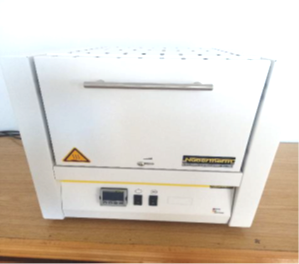
Oven
Temperature range 60 °C (140 °F) to 230 °C (446 °F) Robust, space-saving small unit with
hydraulic-mechanical control and adjustable ventilation.
Electronic Weight Device
Used to Weigh the samples.
surveying Laboratory
Located on the first floor in Building B, consist of :
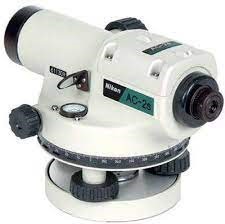
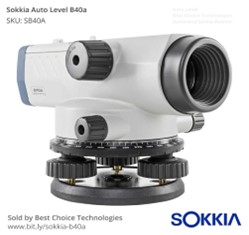
Nikon Number of devices in lab. : 4 SOKKIA mber of devices in lab. : 6
Levelling is used in surveying to establish the elevation of a point relative to a datum, or to
establish a point at a given elevation relative to a datum.
3- Theodolite instrument
Theodolite is a measurement instrument utilized in surveying to :
• Measuring horizontal and vertical angles
• Locating points on a line
• Finding the difference in the level
• Prolonging survey lines
• Ranging curves
• Setting out grades
• Tachometric surveying
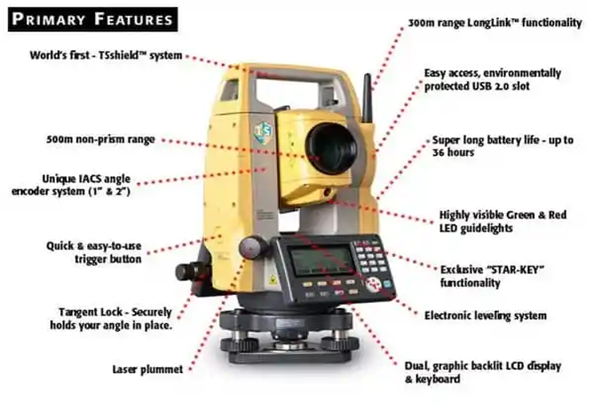
4- Total Station
Total Number (4) 2 sokkia cx 105
1 Nikon 1 Trendon
A total station is an optical instrument commonly used in construction, surveying and civil
engineering. It is useful for measuring horizontal angles, vertical angles, and distance — it
does this by analyzing the slope between itself and a specific point.
5- Aiding Tools
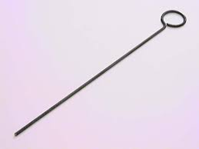
Pins
Chaining pins are used when measuring a distance with a survey chain.
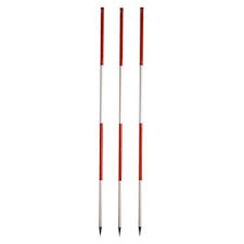
Range Poles (20 Poles)
Range Poles, or Ranging Rods as they are sometimes called, is a surveying instrument that's
used for marking the position of surveying stations and sightings of those stations as well as
for ranging straight lines.
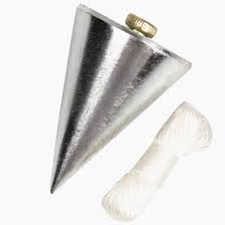
Plumb Bob
A plumb bob, or plummet, is a weight, usually with a pointed tip on the bottom, suspended
from a string and used as a vertical reference line, or plumb line. It is a precursor to the
spirit level and used to establish a vertical datum. It is typically made of stone, wood, or
lead but can also be made of other metals.
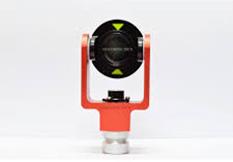
Prism (4)
Optical Survey prisms are a specially designed retro reflector, specifically a corner
reflector, that is used to reflect the Electronic Distance Measurement (EDM) beam from a total
station.
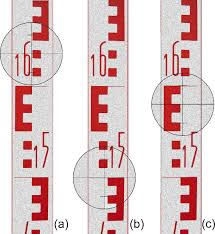
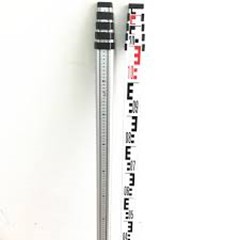
Staff (10)
A level staff, also called levelling rod, is a graduated wooden or aluminum rod, used with
a levelling instrument to determine the difference in height between points or heights of points
above a vertical datum.
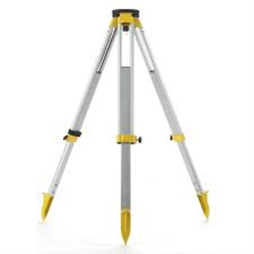
Tripod
A surveyor's tripod is a device used to support any one of surveying instruments, such
as theodolites, total stations, levels or transits.
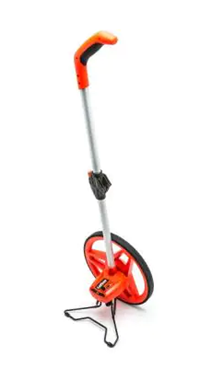
6- Measuring Wheel
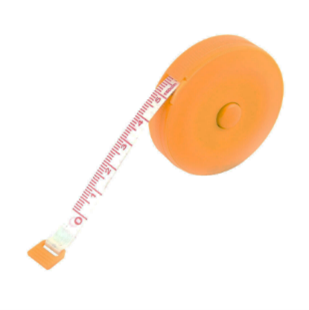
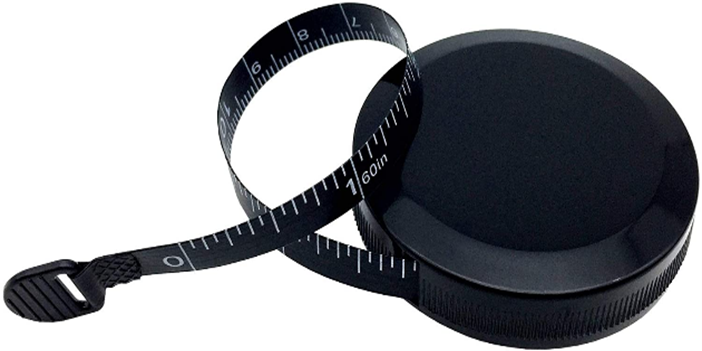
Measuring wheels are very simple tools quickly calculating flat distance.